

Behind the Scenes: IQUBE
The Journey of IQUBE
In 2021, while studying Games Design at ELAM, this project started as a simple (A*) pathfinding exercise on a grid-based map.
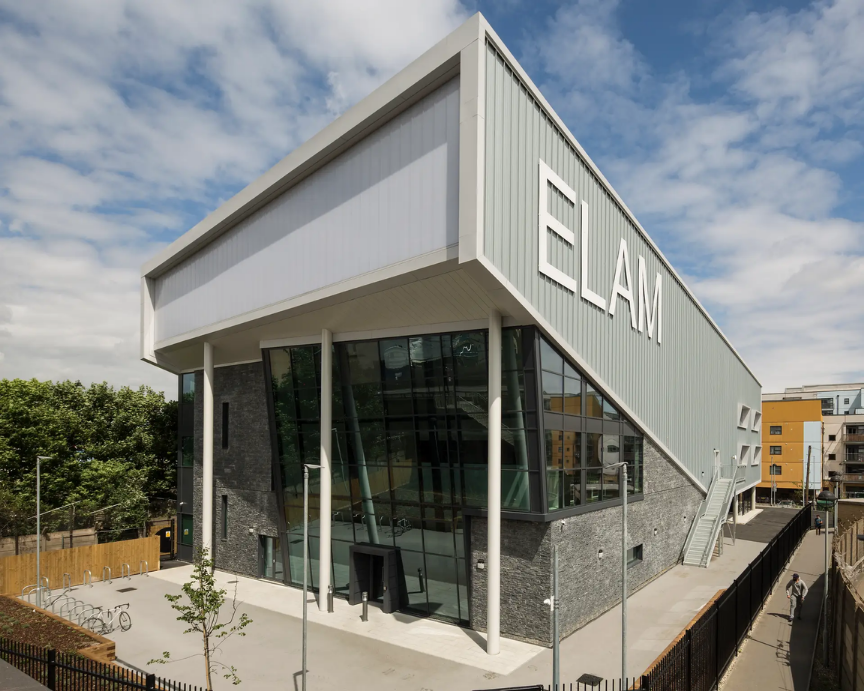
East London Arts and Music - Based in Bromley by Bow
Fast forward to today, it has evolved into a grid-based puzzle game,
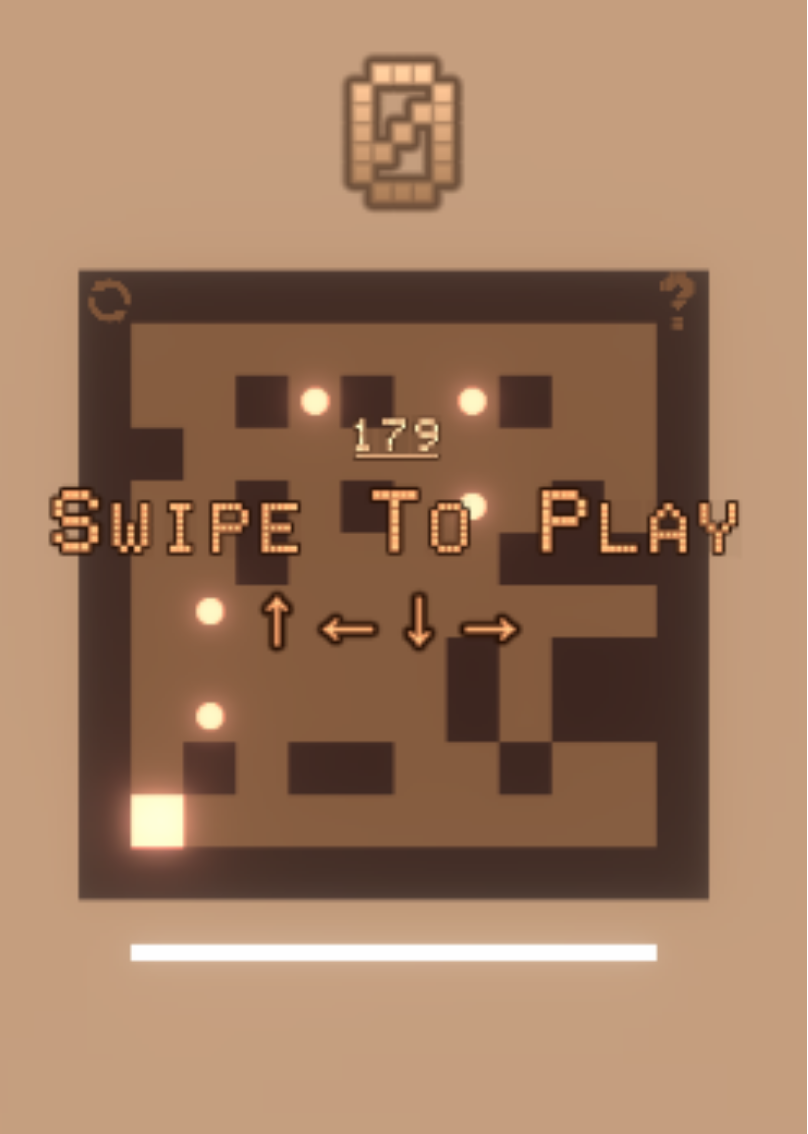
Procedural Map Generation
One of the biggest challenges was designing procedurally generated maps that were also playable. The maps are randomised, but we had to ensure:
Players can always find a path to the goal.
Balance between obstacles and walkable tiles.
How it works #1
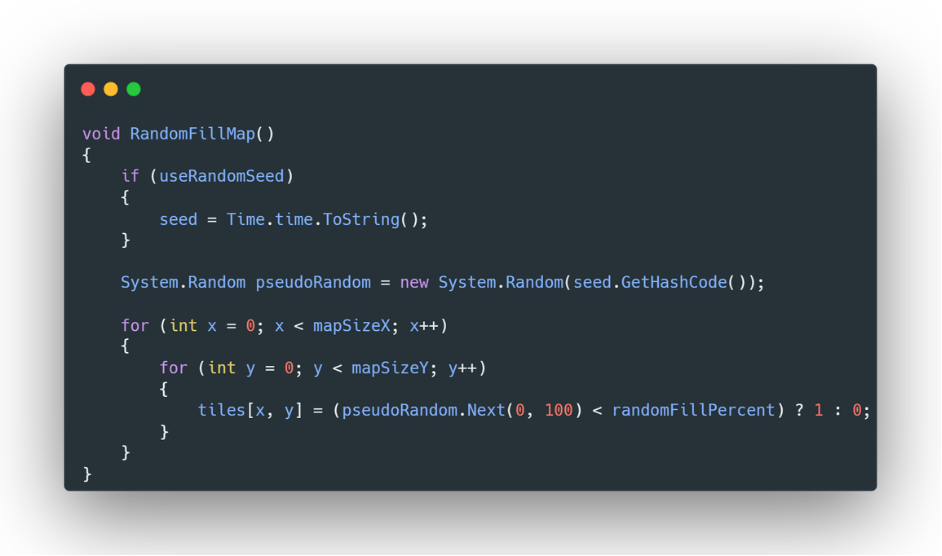
The system starts with a random seed and fills the map with blocks.
How it works #2
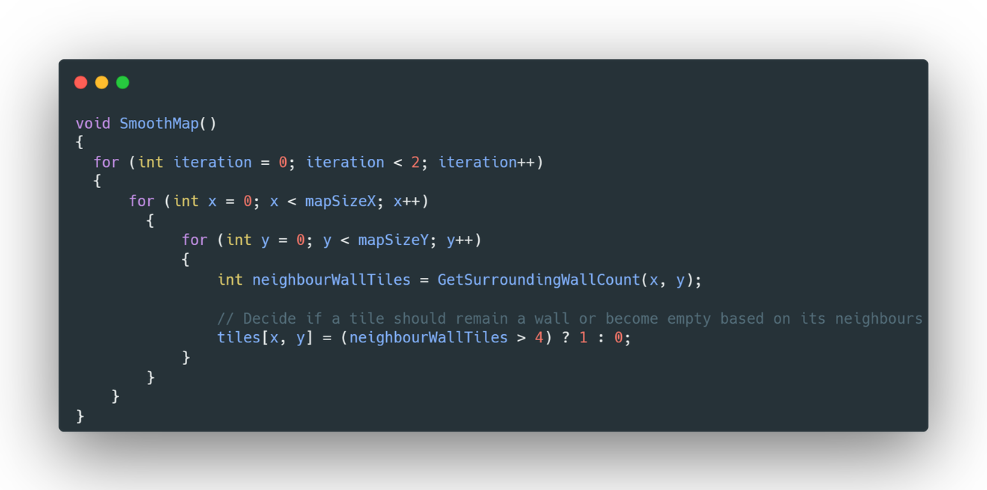
A smoothing algorithm improves a randomly generated grid by adjusting tiles according to neighbouring blocks.
Tiles surrounded by many blocks turn into blocks, while those with fewer become walkable, enhancing map playability and visual coherence.
After multiple iterations, it balances randomness and structure, creating a navigable and engaging map for players.
How it works #3
To ensure every map is playable, we use Breadth-First Search (BFS) to verify that players can always reach their goals. Here's how it works:
Reachable Tiles: BFS explores the map, layer by layer, marking all tiles that can be walked on.
Valid Placement: Goals are only placed on tiles reachable from the starting point.
Mobile Porting
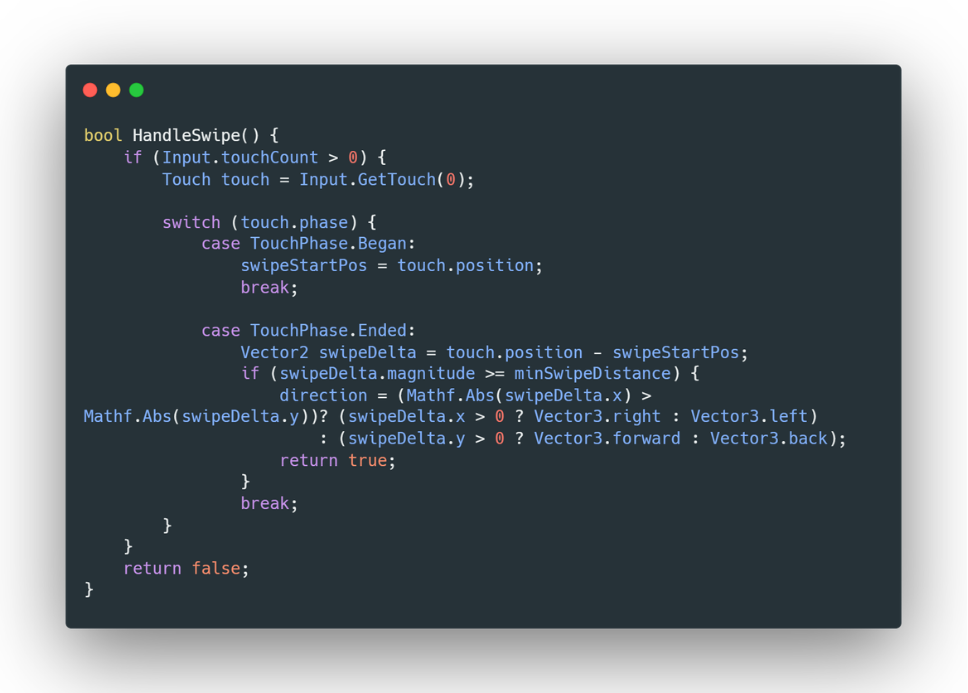
The next big step has been adapting the game for mobile.
Building IQUBE brought plenty of unexpected design challenges and breakthroughs. What behind-the-scenes systems or art workflows would you like us to break down next? Let us know on our social channels!
