

PROCEDUrAL GENERATION
Procedural generation is a method that utilizes algorithms to create dynamic and varied content in video games.
This technique encompasses the automatic generation of unique maps, levels, and experiences instead of relying on manual creation.
Steps
Inputs: Define parameters such as seed values, randomness, and guidelines for content creation.
Algorithm: A mathematical procedure that processes the inputs to generate the output.
Output: The resulting content, which can include terrains, levels, dungeons, NPCs, or even entire worlds.
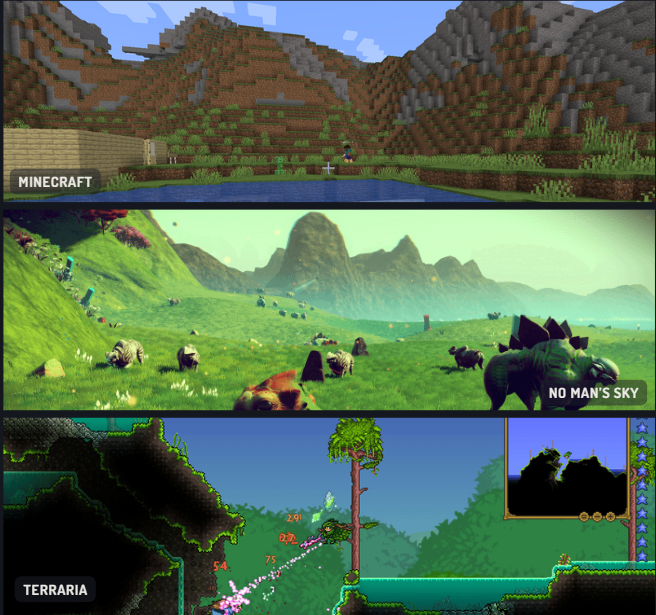
Terrain and World Generation
Techniques such as Perlin noise and fractals are used to create expansive, open-world terrains, featuring elements like mountains, valleys, and bodies of water.
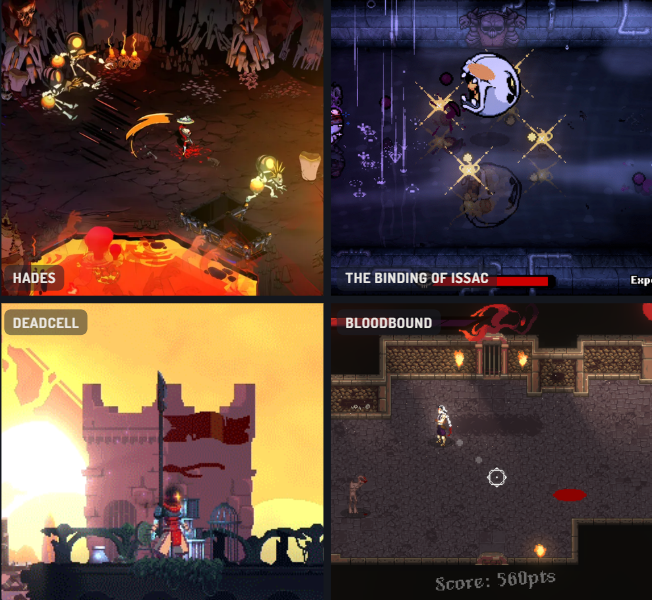
Dungeon and Maze Generation
Creating interconnected layouts using techniques like algorithmic methods (e.g., cellular automata, recursive backtracking) or procedural assembly of pre-designed rooms.

NPC and Character Creation
Randomisation of attributes, appearances, or behaviours using rule sets.
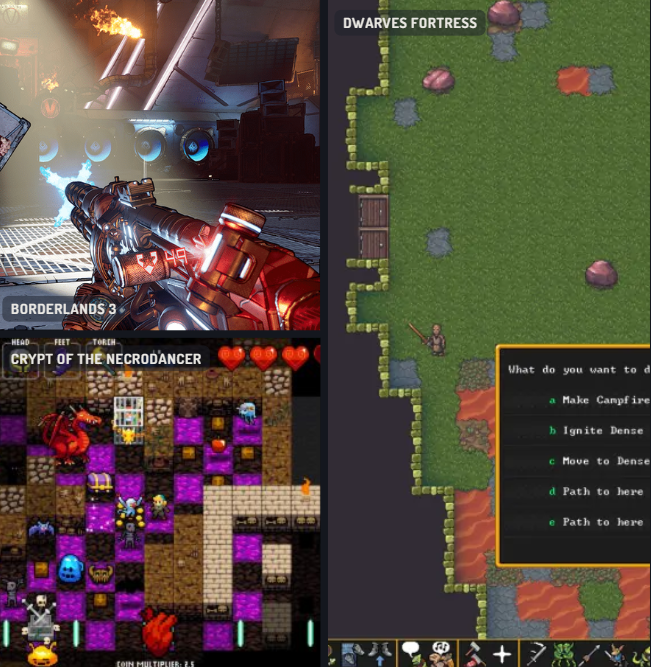
Item Generation
Randomly combine stats, effects, or appearances to create unique items.
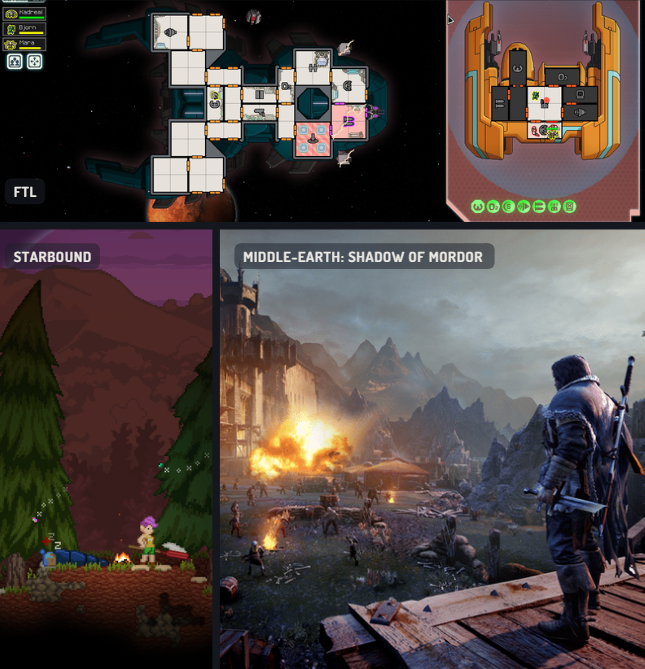
Narrative, Quests and Events
Procedurally combine story elements, objectives, and settings to create objectives.
Music and Sound Effects
Algorithms create unique music or soundscapes based on predefined rules.
Does Procedural Generation Mean Random Content Every Time You Play?
Absolutely not!
Procedural generation isn’t just about creating random content when playing the game.
Procedural generation isn’t just about creating random content when playing the game.
Many developers use it in the development phase to generate templates, landscapes, or terrain, which are later refined and handcrafted into final game worlds.
Why Use Procedural Generation?
Endless Replayability: No two playthroughs are the same.
Creative Freedom: Generate infinite possibilities with fewer resources.
There are many ways to utilise procedural generation beyond what’s mentioned here. Countless games and genres implement it differently, offering unique approaches and experiences!
How do you approach procedural algorithms and seed management in your own projects?
